
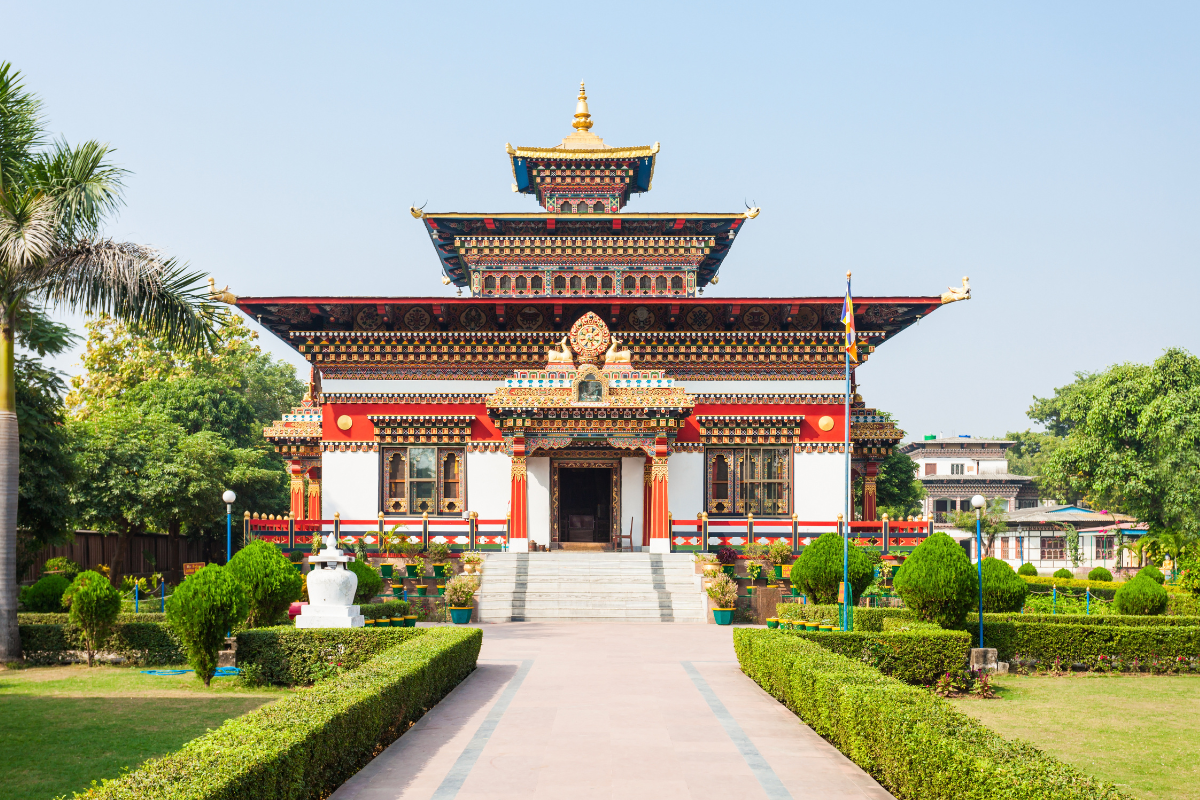
Travelling from Singapore to Bhutan is an extraordinary journey into the mystical Himalayan kingdom known as the Land of the Thunder Dragon. From dramatic mountain landscapes and ancient monasteries to vibrant culture and warm hospitality, Bhutan offers a completely unique travel experience. While Bhutan is a relatively small country, getting there requires some planning especially when it comes to air travel, visas, tours, and mandatory fees. In this guide, we’ll walk you through everything you need to know about booking the flight from Singapore to Bhutan, securing visas, planning your itinerary, and making the most of your time in this fascinating destination.
Whether you’re a first‑time traveller to Bhutan or simply seeking detailed, practical advice to plan your trip, this comprehensive guide will take you step‑by‑step from Singapore’s busy Changi Airport to the serene valleys and peaks of Bhutan.
Overview: Bhutan – A Himalayan Treasure
Bhutan is a small, landlocked kingdom tucked away in the eastern Himalayas, renowned for its breathtaking landscapes, rich culture, and spiritual heritage.
Despite its modest size, the country offers a wide array of experiences, from lush valleys and towering mountains to ancient monasteries, historic dzongs, and colourful festivals that showcase Bhutanese traditions. What sets Bhutan apart is its unique approach to tourism, which prioritises sustainability and cultural preservation over mass visitor numbers.
This “High Value, Low Impact” strategy ensures that tourism benefits local communities, protects the environment, and maintains the authenticity of cultural experiences. Visitors are encouraged not only to admire Bhutan’s natural beauty but also to embrace local customs, participate respectfully in traditions, and tread lightly on the land.
This carefully managed tourism model guarantees that your journey contributes positively to the country while providing a rich, immersive, and truly memorable experience in one of the world’s most enchanting Himalayan nations.
Direct Flights from Singapore to Bhutan
Travellers from Singapore can reach Bhutan via direct flights from Singapore to Bhutan operated by Bhutan’s national airline, Drukair. These flights generally depart from Singapore Changi Airport and arrive at Paro International Airport, the country’s only international airport. Although some flights may include a short stopover, typically in India, passengers usually remain on board, ensuring a smooth and seamless journey into the Himalayan kingdom.
Direct flights are the most efficient and convenient option for Singapore-based travellers, eliminating the need for multiple connecting flights through other countries. The journey provides spectacular aerial views of the Himalayas as you approach Paro, offering an unforgettable start to your Bhutan adventure. Flights operate on a limited schedule, often a few times per week, so it is advisable to book well in advance. Travellers can enjoy modern aircraft, attentive service, and the comfort of knowing that all travel arrangements, including visa and tour package coordination, are efficiently managed when flying directly from Singapore to Bhutan
Flight Options and Airlines
Drukair is Bhutan’s national carrier and the primary airline connecting Singapore to Bhutan. Its flights from Singapore to Bhutan usually operate a few times a week and offer both economy and business class options. Passengers enjoy modern aircraft, attentive service, and stunning views of the Himalayas during the approach to Paro Airport, which is renowned as one of the world’s most scenic and challenging airport landings.
Alternative Routes
If flight schedules do not align with your plans, alternative routes are available through nearby hubs such as Bangkok, Delhi, or Kathmandu. These involve a connecting flight to Paro and may offer greater flexibility in travel dates, but they require careful planning and booking to coordinate arrival times.
Booking Tips
- Plan your flight well in advance, particularly during peak tourist seasons, to secure preferred dates and seats.
- Confirm flight schedules with your airline before departure, as seasonal changes can affect timing.
- Consider purchasing travel insurance for additional peace of mind.
Visa and Entry Requirements for Singaporean Travellers
All travellers from Singapore require a visa to enter Bhutan, as the country does not provide visas on arrival. Visitors must arrange their visas in advance through a licensed Bhutanese tour operator, who will manage the entire application process, including any associated fees.
Visa Process
- Select a licensed Bhutan tour operator to coordinate your travel and visa application.
- Submit your passport and travel details to the operator for processing.
- Receive an official visa clearance letter prior to your departure from Singapore.
- Present this clearance letter when checking in for your flight from Singapore to Bhutan.
- Upon arrival at Paro International Airport, your passport will be stamped with the official visa
Passport Requirements
- Your passport must have at least six months’ validity beyond your planned departure from Bhutan.
- Ensure that all information in your passport exactly matches your visa application, including full name, date of birth, and passport number
Following these steps ensures a smooth entry into Bhutan and avoids delays upon arrival.
Sustainable Development Fee (SDF) Explained
Bhutan requires all international visitors to pay a daily Sustainable Development Fee (SDF), which plays a crucial role in supporting the country’s healthcare, education, and environmental conservation initiatives.
The fee reflects Bhutan’s commitment to sustainable tourism and ensures that each visit contributes directly to the well-being of local communities and the preservation of its unique cultural heritage. For adults, the SDF is typically USD 100 per night, while children aged 6–11 are usually charged at 50% of the adult rate, and children under 6 are often exempt.
This fee is included in your tour package and is paid in advance through your licensed Bhutanese tour operator, rather than at the airport. By paying the SDF, travellers actively support Bhutan’s long-term sustainability goals while enjoying a high-quality, culturally immersive experience.
Understanding this fee helps visitors appreciate the country’s “High Value, Low Impact” tourism approach, which balances visitor access with preservation of its natural and cultural treasures.
Best Time to Visit Bhutan
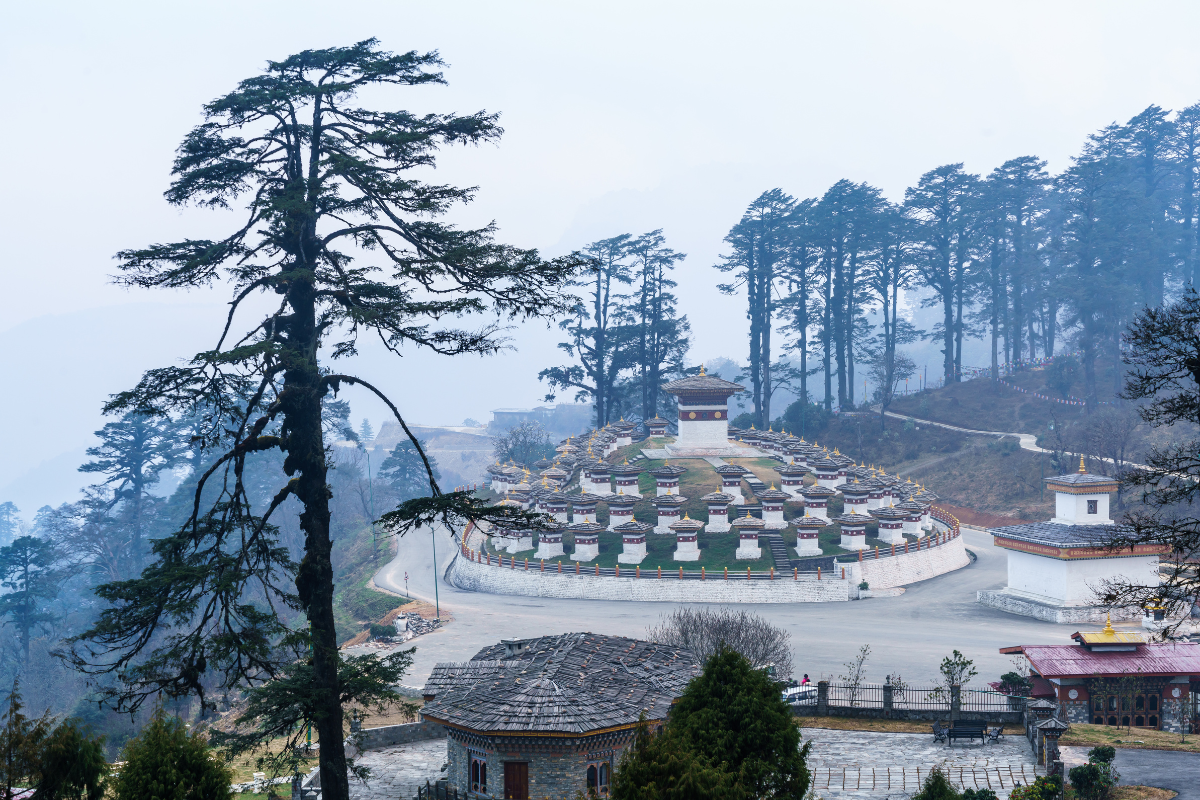
Bhutan’s climate varies significantly by region and season, so the best time to travel depends on the experiences you seek. Spring (March to May) offers blooming rhododendrons, clear skies, and ideal conditions for trekking and sightseeing in valleys and mountains. Autumn (September to November) features pleasant weather, crisp mountain views, and colourful festivals, making it one of the most popular periods for visitors.
Winter (December to February) brings colder temperatures, especially in higher altitudes, but also fewer crowds and breathtaking views of snow-capped peaks.
The monsoon season (June to August) is less popular for travel due to heavy rainfall, slippery trails, and occasional road disruptions, though the valleys remain lush and green. Planning your visit around major festivals such as the Thimphu Tsechu or Paro Tsechu can enhance your experience, offering unique insight into Bhutanese culture, vibrant traditional performances, and opportunities to interact with locals in authentic celebrations.
Booking Your Trip: Tour Packages vs Independent Travel
Bhutan follows a strict tourism policy, meaning independent travel is not permitted. Every visitor must plan their trip through a licensed Bhutanese tour operator, ensuring compliance with the country’s “High Value, Low Impact” tourism model.
These operators handle all essential aspects of your journey, including accommodation and meals, so you can enjoy comfortable stays without worrying about logistics. They also provide ground transportation, which is crucial given Bhutan’s mountainous terrain and the often winding roads connecting valleys and towns. Your tour operator will assign experienced local guides, who not only navigate the regions safely but also share insights into Bhutanese history, culture, and spiritual traditions.
Additionally, licensed operators organise cultural and adventure activities, from hiking and temple visits to participation in festivals and traditional ceremonies. By choosing a tour package, travellers enjoy a seamless, hassle-free experience, gaining full access to Bhutan’s attractions while supporting sustainable tourism and local communities.
Arrival in Paro: Airport and First Impressions
Paro International Airport, Bhutan’s only international airport, is nestled among steep mountains, making the arrival experience both dramatic and unforgettable.
The approach to Paro is renowned as one of the most scenic flights in the world, offering panoramic views of the snow-capped Himalayas, lush valleys, and terraced farmland, which sets the tone for your journey in this Himalayan kingdom. Upon landing, travellers must present their visa and passport for verification before entering the country.
After clearing arrival formalities, you will meet your tour guide or driver, arranged by your licensed Bhutanese tour operator, who will accompany you throughout your stay. From the airport, your journey begins through picturesque valleys, traditional villages, and historic monasteries, providing a first glimpse into Bhutanese life, culture, and landscapes.
The combination of awe-inspiring scenery, warm hospitality, and a well-organised arrival process ensures a smooth and memorable start to your Bhutan adventure.
Transportation Within Bhutan
Getting around Bhutan is relatively straightforward but requires planning, as most travel is arranged through your tour operator. Private vehicles are the primary mode of transport, providing comfort and flexibility for exploring valleys, towns, and cultural sites. These vehicles are driven by experienced local drivers who are familiar with the winding mountain roads and varying terrain.
For more remote destinations, short domestic flights may be used to save time, though Paro is the main international gateway and most attractions remain accessible by road. Many regions also offer trekking or guided hikes, which allow travellers to immerse themselves in Bhutan’s natural beauty and cultural heritage, often reaching areas inaccessible by vehicle.
Although road conditions are generally good, mountainous terrain can make travel slower than expected, so allowing extra time for journeys is advisable. With careful planning, getting around Bhutan is safe, comfortable, and offers scenic views at every turn.
Top Destinations and Experiences

Bhutan is filled with remarkable destinations, each offering unique experiences. Paro is a must-visit, home to the iconic Tiger’s Nest Monastery (Paro Taktsang), perched dramatically on a cliff and accessible via a scenic hike. The valley itself is dotted with charming temples, traditional homes, and local markets.
Thimphu, the capital city, provides a fascinating blend of tradition and modernity. Here, visitors can explore impressive dzongs, the giant Buddha Dordenma statue, museums, and vibrant street markets, all while experiencing the rhythm of Bhutanese city life.
Punakha is renowned for its historic dzongs, including the spectacular Punakha Dzong, and scenic rice terraces that showcase Bhutan’s agricultural heritage. Bumthang, often considered the cultural heart of Bhutan, features ancient temples, monasteries, and traditional villages, offering deep insights into Bhutanese spiritual life.
Popular activities throughout the country include trekking in pristine landscapes, attending vibrant festivals, participating in meditation retreats, and exploring local markets for handicrafts and traditional textiles.
Bhutanese Culture, Customs, and Etiquette
Respect for tradition and cultural norms is highly valued in Bhutan, making it essential for visitors to be mindful of local customs. Dress modestly, particularly when visiting monasteries, dzongs, or other religious sites; covering shoulders and knees is a sign of respect.
Always remove your shoes and socks before entering temples or sacred spaces, as this is considered proper etiquette.
When photographing locals, ask for permission first, especially in villages or during cultural ceremonies, to show courtesy and avoid offending anyone. Avoid public displays of affection, as Bhutanese society tends to be conservative, and such behaviour may be seen as inappropriate.
Additionally, refrain from touching sacred objects, such as statues or religious texts, unless explicitly allowed. By observing these customs, travellers not only show respect but also gain a deeper understanding of Bhutanese values and lifestyle, ensuring a more immersive, meaningful, and enriching travel experience.
What to Pack for Bhutan
Packing for Bhutan requires careful consideration of the season, planned activities, and the country’s mountainous terrain. Comfortable walking shoes or sturdy hiking boots are essential, as many of Bhutan’s attractions, including monasteries and scenic trails, involve walking on uneven paths and steep inclines.
Layered clothing is highly recommended, as temperatures can vary significantly between valleys and higher altitudes, with chilly mornings and warm afternoons. During the monsoon season, typically from June to August, rain gear such as a waterproof jacket or poncho is crucial to stay dry and comfortable.
Protect yourself from strong sunlight at higher elevations by bringing sunscreen, a wide-brimmed hat, and sunglasses. Additionally, when visiting religious sites or temples, modest attire covering shoulders and knees is required to show respect for local customs. Thoughtful packing ensures a comfortable, safe, and culturally respectful journey while exploring Bhutan’s breathtaking landscapes.
Sample 7-Day Itinerary
Day 1: Arrival in Paro and Local Exploration
Arrive at Paro International Airport, where your tour guide or driver will welcome you. Spend the day acclimatising to the altitude and exploring nearby attractions, such as Rinpung Dzong, the Paro town market, and traditional temples. Enjoy a relaxed evening sampling Bhutanese cuisine and soaking in the serene valley views.
Day 2: Hike to Tiger’s Nest Monastery (Paro Taktsang)
Embark on the iconic hike to Tiger’s Nest Monastery, perched dramatically on a cliffside. The trek takes 3–4 hours round trip, offering breathtaking panoramic views of the Paro Valley. Learn about the monastery’s history and spiritual significance while capturing memorable photographs.
Day 3: Travel to Thimphu and City Exploration
Drive to Thimphu, Bhutan’s capital, enjoying scenic landscapes along the way. Visit notable landmarks such as the Buddha Dordenma Statue, the National Memorial Chorten, and local markets. Experience the blend of tradition and modernity that defines the city.
Day 4: Cultural and Historical Sites in Thimphu
Spend the day exploring Thimphu’s cultural and historical treasures. Discover the Tashichho Dzong, Folk Heritage Museum, and the School of Arts and Crafts. Engage with local artisans and learn about Bhutanese art, textiles, and craftsmanship.
Day 5: Drive to Punakha and Visit Punakha Dzong
Travel to Punakha through scenic mountain passes, crossing the iconic Dochula Pass. Explore Punakha Dzong, known for its stunning architecture and historical significance. Enjoy the serene riverside surroundings and capture views of terraced rice fields and nearby villages.
Day 6: Explore Valleys and Traditional Villages
Spend the day exploring the Punakha Valley and nearby villages, experiencing rural Bhutanese life. Take short hikes, visit local temples, and interact with villagers to gain insight into Bhutan’s traditions and customs. This day offers a more immersive, authentic cultural experience.
Day 7: Return to Paro and Departure
Drive back to Paro for your return journey. Depending on your flight schedule, you may have time for last-minute shopping or a brief visit to local sites. Board your flight from Singapore to Bhutan with memories of an enriching and transformative Himalayan adventure.
FAQs About Travelling to Bhutan
Question: Can I travel independently to Bhutan?
Answer:No, independent travel is not permitted in Bhutan. All visitors must arrange their trips through licensed Bhutanese tour operators, who handle visas, accommodation, transportation, guides, and daily itineraries. This ensures compliance with Bhutan’s regulated tourism policies and provides a seamless, worry-free experience while supporting sustainable tourism practices.
Question: How long is the flight from Singapore to Bhutan?
Answer:The flight from Singapore to Bhutan typically takes around five to six hours, including a short stopover, usually for refuelling. Passengers generally remain on board during the stop, making the journey convenient and relatively quick despite the mountainous terrain.
Question: What currency is used in Bhutan?
Answer: The official currency is the Bhutanese Ngultrum (BTN), which is pegged to the Indian Rupee (INR). Indian Rupees are also widely accepted, especially in larger towns and tourist areas. Cash is preferred in many locations, though some hotels and tour operators accept credit cards.
Question: Is travel insurance required for Bhutan?
Answer: While not legally mandatory, travel insurance is highly recommended. It provides coverage for health emergencies, flight delays, trip cancellations, or unforeseen incidents in remote mountain regions, giving travellers peace of mind during their journey through Bhutan’s rugged landscapes.
Final Tips for a Memorable Journey
It is essential to book flights and tours well in advance, particularly during peak seasons such as spring and autumn, when Bhutan experiences its most vibrant festivals and ideal weather. Doing so ensures you secure preferred dates, accommodations, and guides, making your journey smoother and stress-free.
Respecting local customs and environmental guidelines is equally important, as Bhutan places great emphasis on preserving its culture and natural heritage. Prepare for varying weather conditions, from chilly mountain mornings to warm afternoons, by packing layered clothing and suitable footwear.
Finally, embrace Bhutan’s slow and mindful pace of life to truly absorb its spiritual and cultural richness. Travelling from Singapore to Bhutan offers a rare chance to witness a country prioritising happiness, sustainability, and tradition, making it a profoundly transformative experience